
 Abubaker Abed

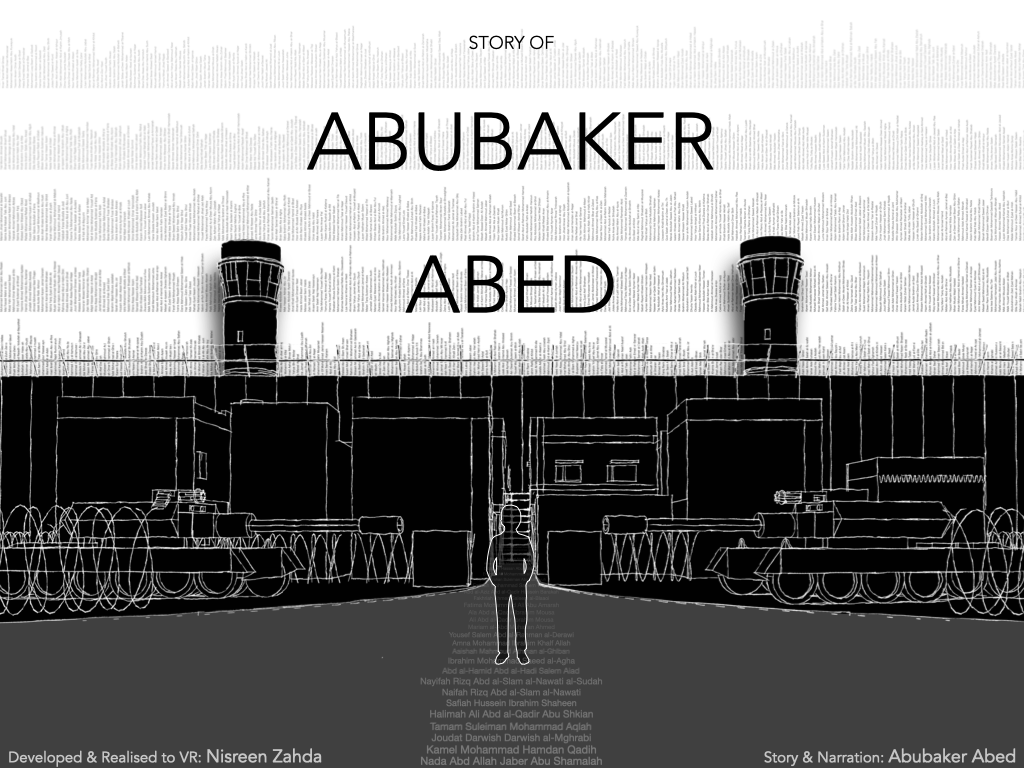
A poetic journey tracing three generations from the Nakba to today’s Gaza.
Told through the voice of a young narrator, Abubaker, it weaves loss, memory, art, and resistance into a story of survival. From a village erased to a rose blooming in rubble, this is not just a story of war.
Reconstruction Method
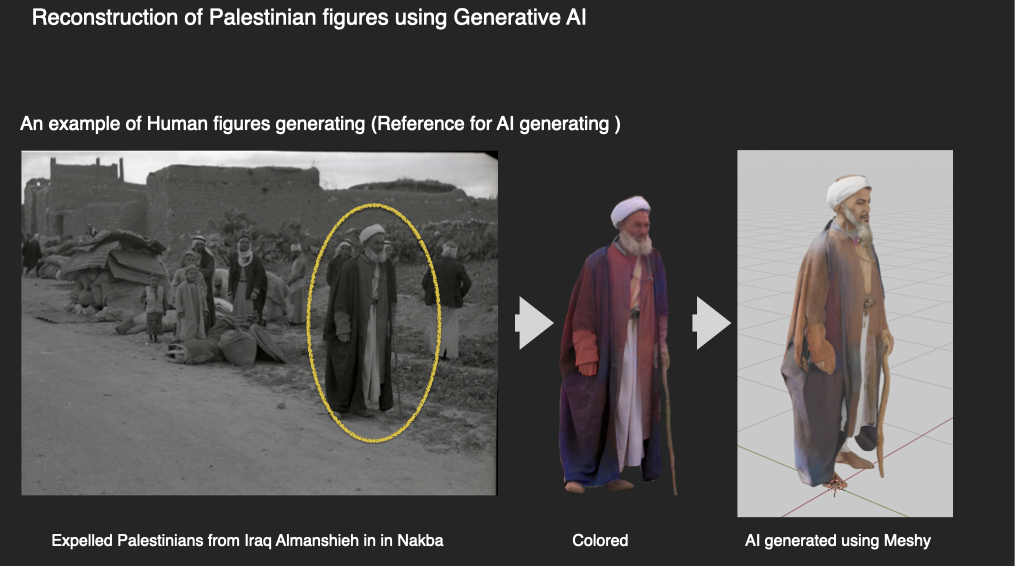
The VR experience was reconstructed through oral testimony, archival imagery, spatial memory, historical research, and environmental reconstruction methods.
 Oral Testimonies
The narrative structure is primarily based on Abubaker testimony and also includes other testomonies from displaced families originating from Beit Daras.
Main: Abubaker Testimony
My grandfather was displaced from the village of Beit Daras during the Nakba of 1948.
Beit Daras was located northeast of al-Majdal, between Gaza and Ramla.
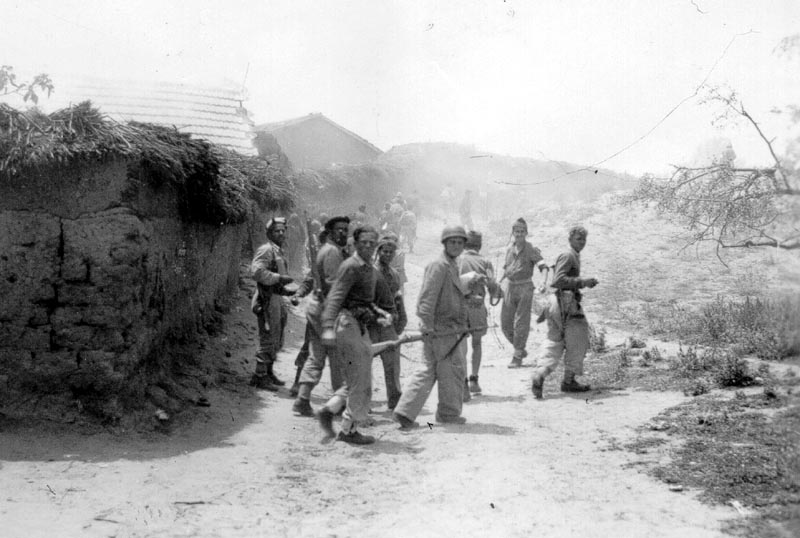
It was an ancient village once inhabited by our Canaanite ancestors. On May 21, 1948, Zionist forces seized the village and later established several settlements on its land. In 1948, the village population was around 1,590 people. Among its well-known families were Baroud, Abed, Abu Shamala, and Al-Maqadma.
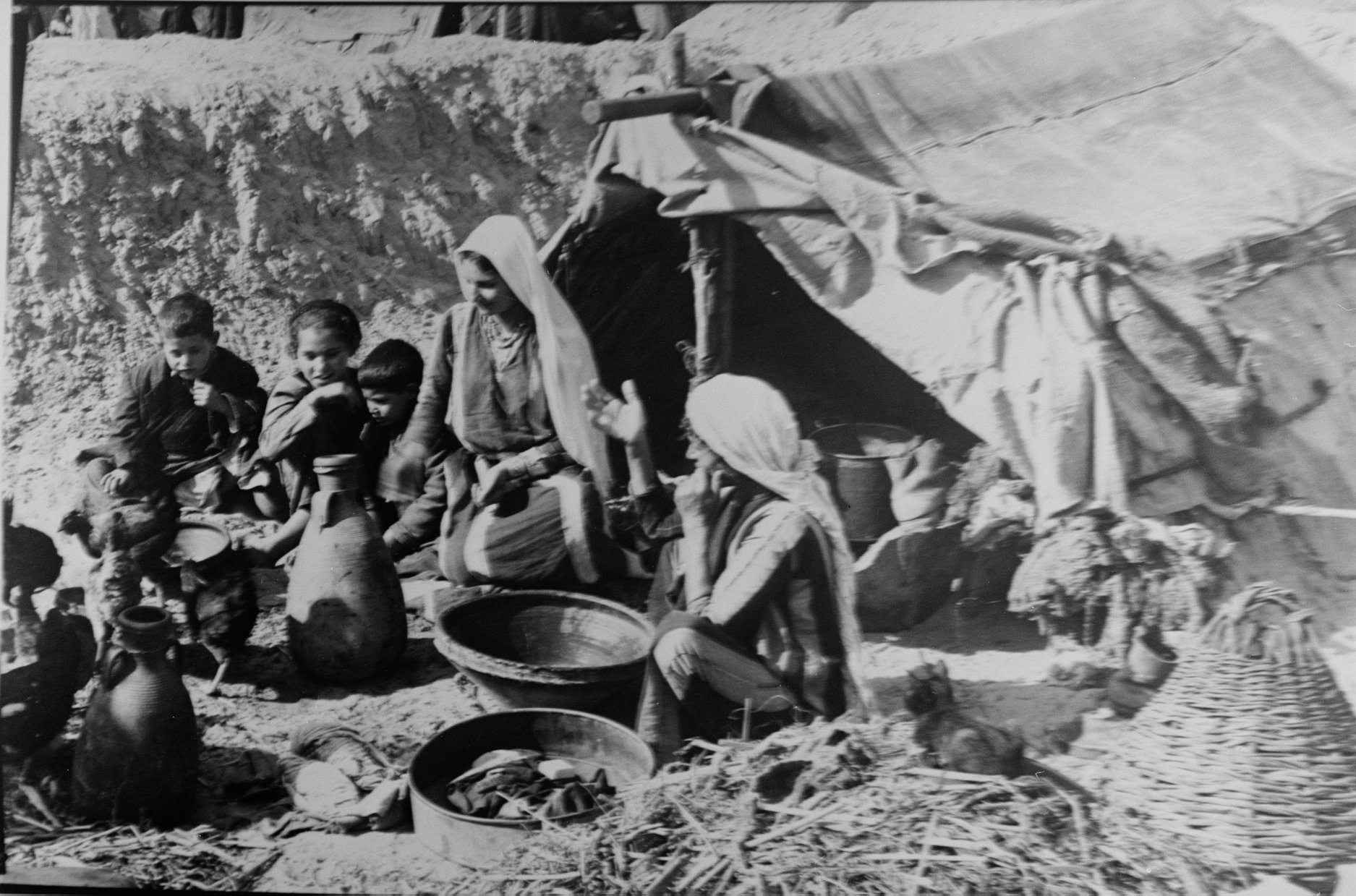
My grandfather and his family fled south on foot until they settled in Deir al-Balah. There, they lived the life of refugees. He and his family stayed in a small house made of corrugated metal sheets, shared with his nephew’s family. In Deir al-Balah, my grandfather opened a small shop to provide basic supplies and food for the displaced families arriving there, including grains and simple goods.
Money was scarce, and people could barely survive after the trauma, pain, and dangers of displacement. My grandfather often sold goods on credit, waiting patiently until people were able to pay. The original residents of Deir al-Balah would also borrow from him and repay their debts according to the agricultural seasons: olives, dates, oranges, and other harvests. Many people were unable to repay what they owed, and my grandfather forgave their debts, believing the reward belonged with God.
My grandfather lived for 106 years. He witnessed many of the defining events in Palestine’s history. He was born in 1868 and passed away in 1992. He was a simple and tolerant man who carried no hatred toward anyone. He lived with the hope of returning to Beit Daras and never lost faith in that return, not even for a moment. Whenever people offered him land or property in exchange for debts owed to him by well-known families in Deir al-Balah, he would always say:
“Why would we own land across the world? Tomorrow we will return. We must return.”
When my father once offered to take him to visit Beit Daras, he refused and said:
“I cannot bear to see it occupied. If I see it, I will die from the shock.”
My grandmother stood beside him throughout his life. She helped him with everything, worked alongside him in buying and selling goods, recorded debts, and managed the affairs of the household.
My father was the youngest son of my grandparents and held a special place in their hearts. From a young age, he accompanied my grandfather on long walks to collect debts from people living in distant areas across Deir al-Balah, stretching from Wadi Gaza in the north to Wadi al-Salqa in the south. Imagine being a child and spending your days crossing refugee landscapes on foot collecting debts from equally poor people. Capitalism somehow always finds a way to become tragic theater.
My father deeply loved his parents and never refused them anything. He helped them at home and at work in every way he could according to his age. He cooked, cleaned the house, and helped them overcome many of life’s difficulties. My grandfather used to call him “my cane,” because he relied on him so heavily.
My grandmother was also a major source of support for my father’s dreams and ambitions. She encouraged him to study what he loved and to follow his own path. Although he first studied science, he later pursued fine arts.
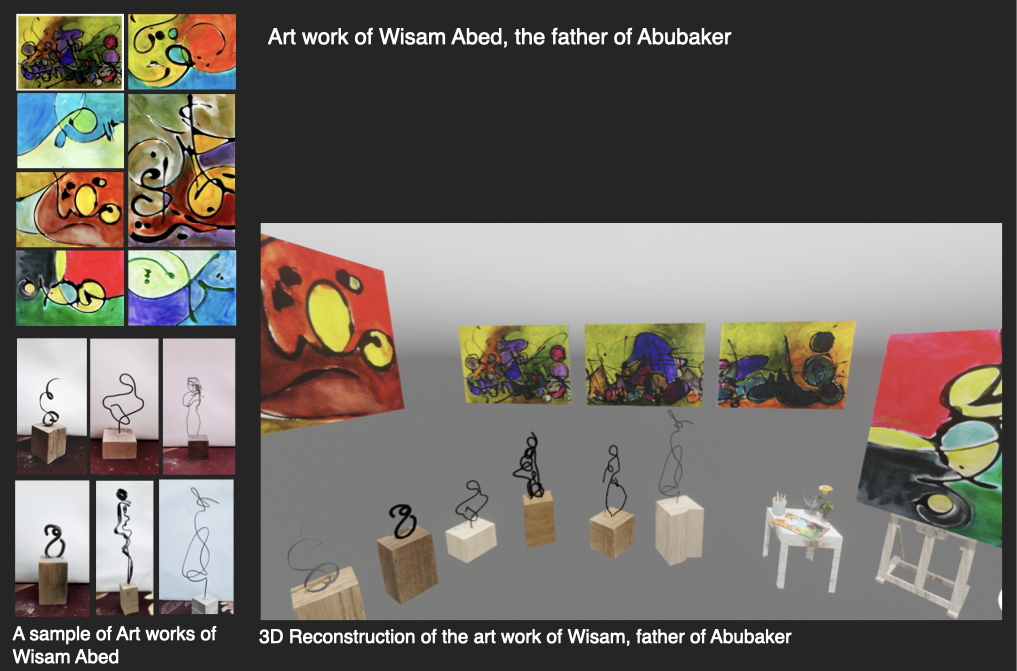
My father often drew inspiration from his parents. He frequently painted them or spoke about them in his literary and cultural reflections. He was a man of many talents. Before becoming a teacher, he worked in several fields: as a journalist, caricature artist, theater director, and set designer.
The motto he always repeated to us was:
“Be different. Be free. Be yourself.”
Abubaker Abed (2025)
Other Testimonies
P32 from Ramzy Baroud, My Father Was a Freedom Fighter: Gaza’s Untold Story (2010)
P32 from Ramzy Baroud, My Father Was a Freedom Fighter: Gaza’s Untold Story (2010)
P32 from Ramzy Baroud, My Father Was a Freedom Fighter: Gaza’s Untold Story (2010)
Chapter6 Ahmed Alnaouq, “Just Like That: Life and Death in Gaza/from Deluge Jamie Stern-Weiner (2024)
 Spatial Reconstruction
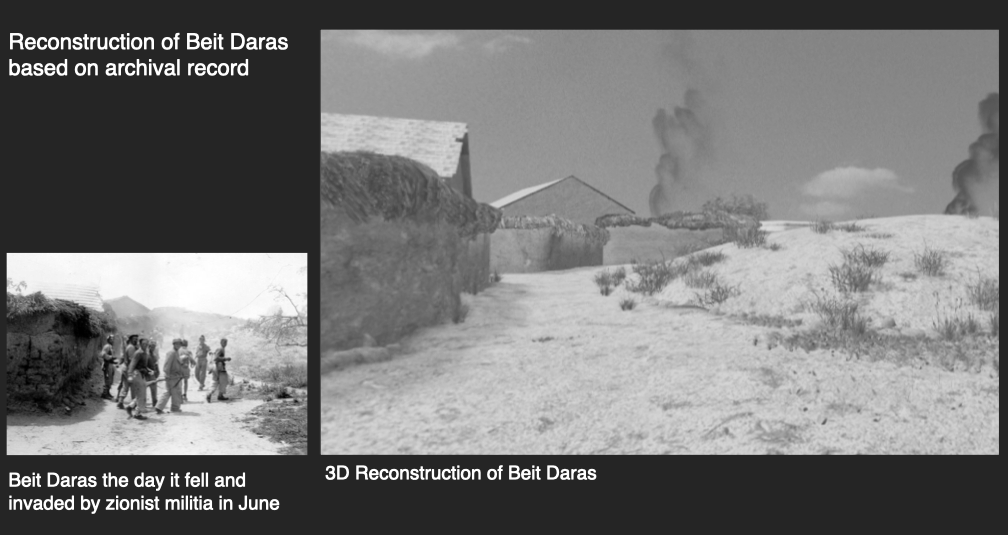
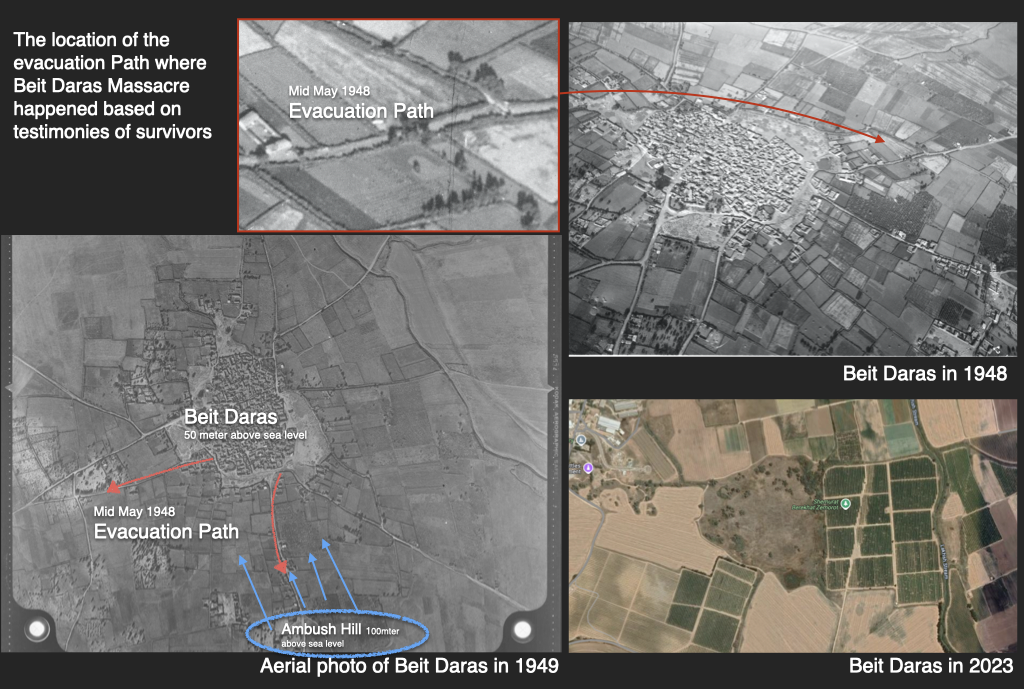
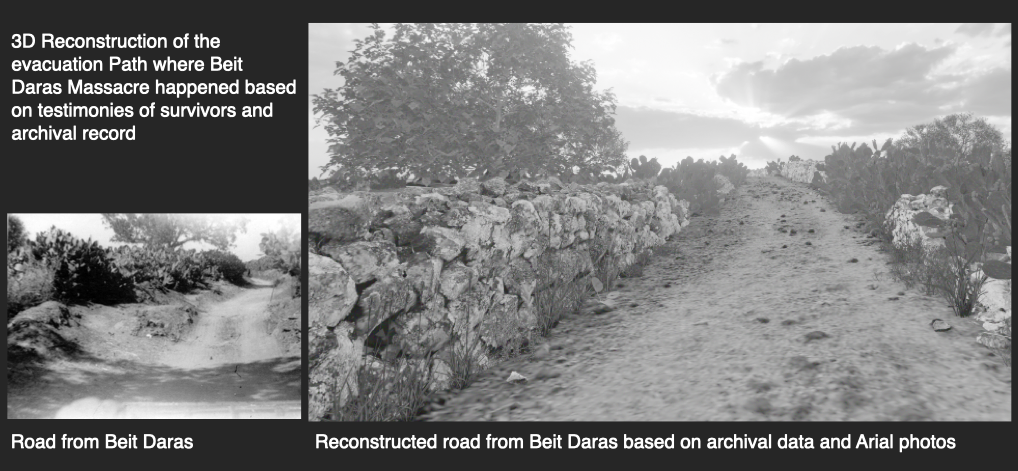
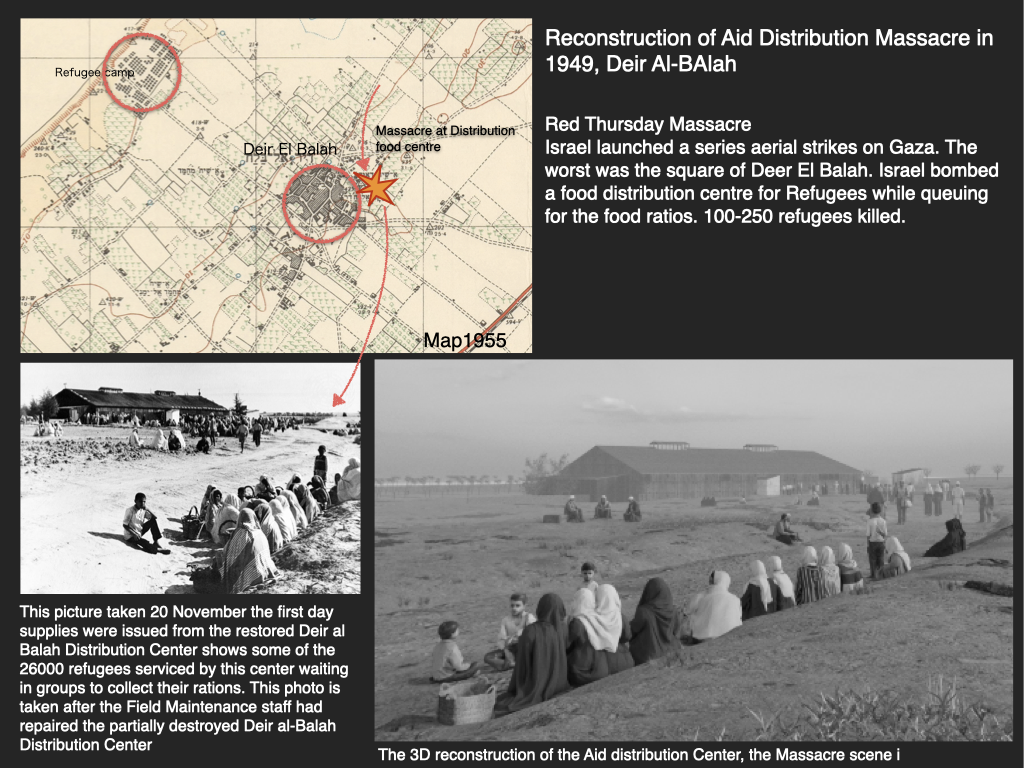
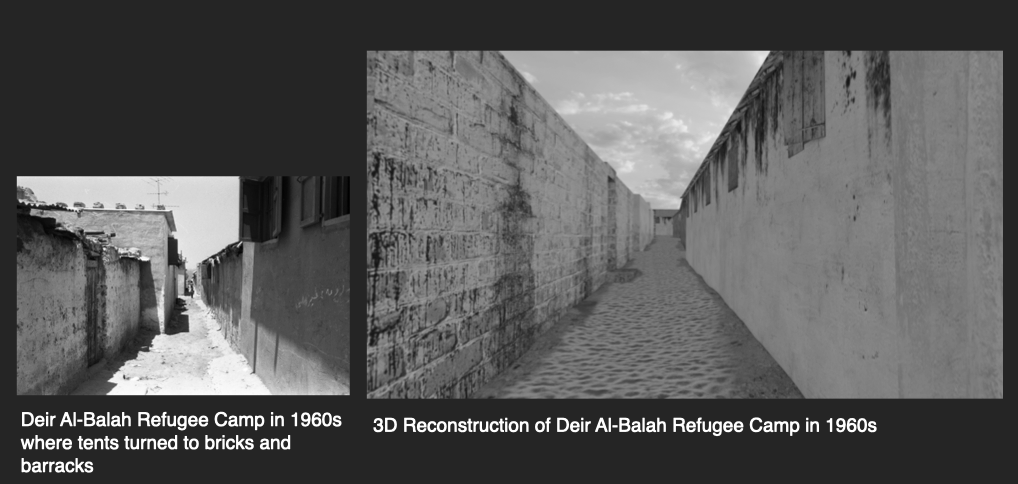
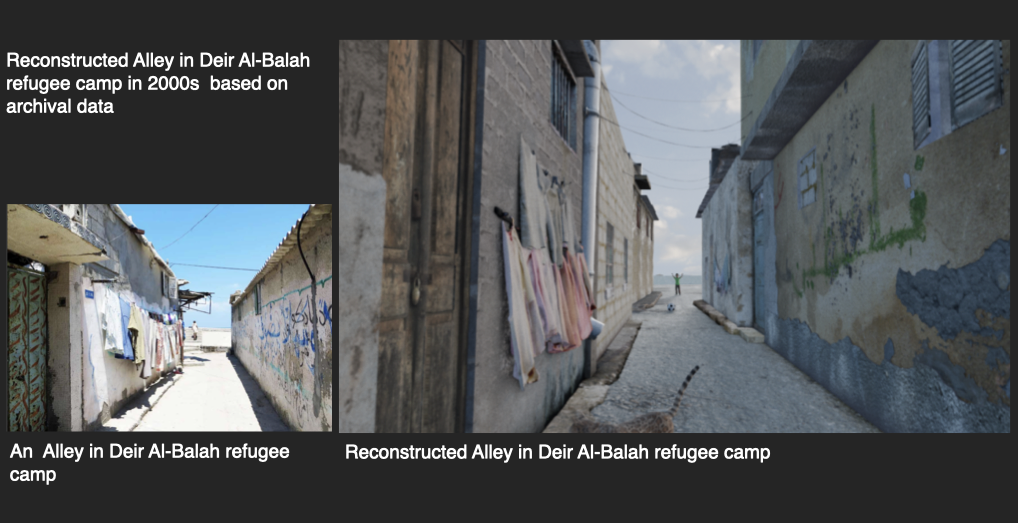
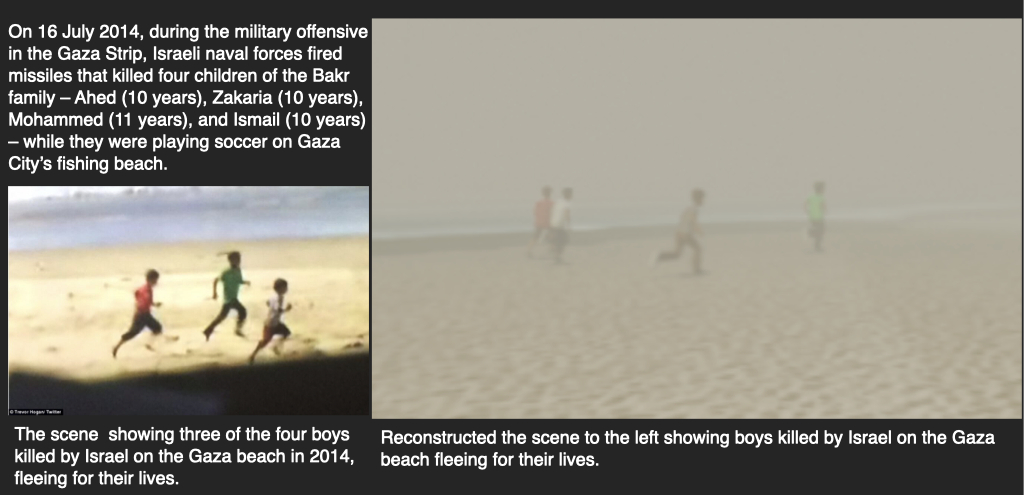
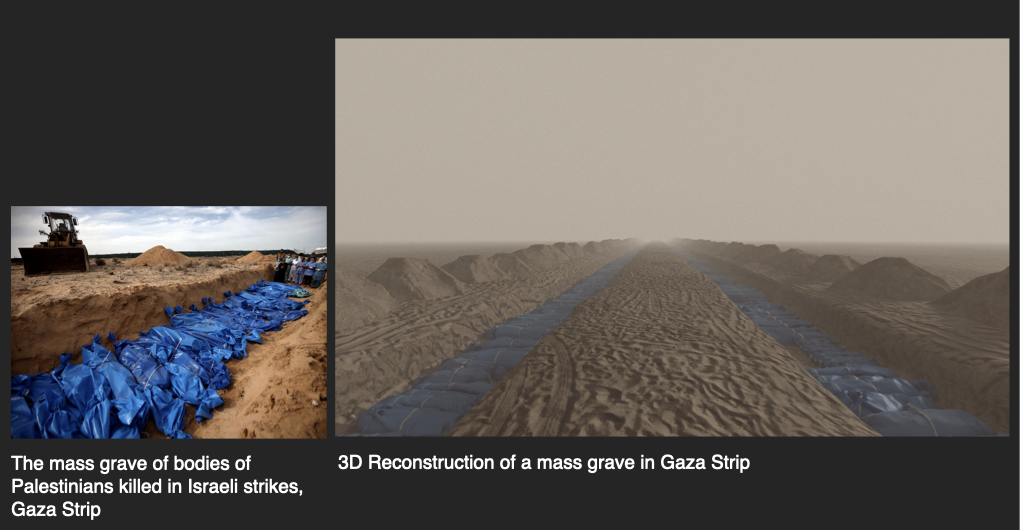
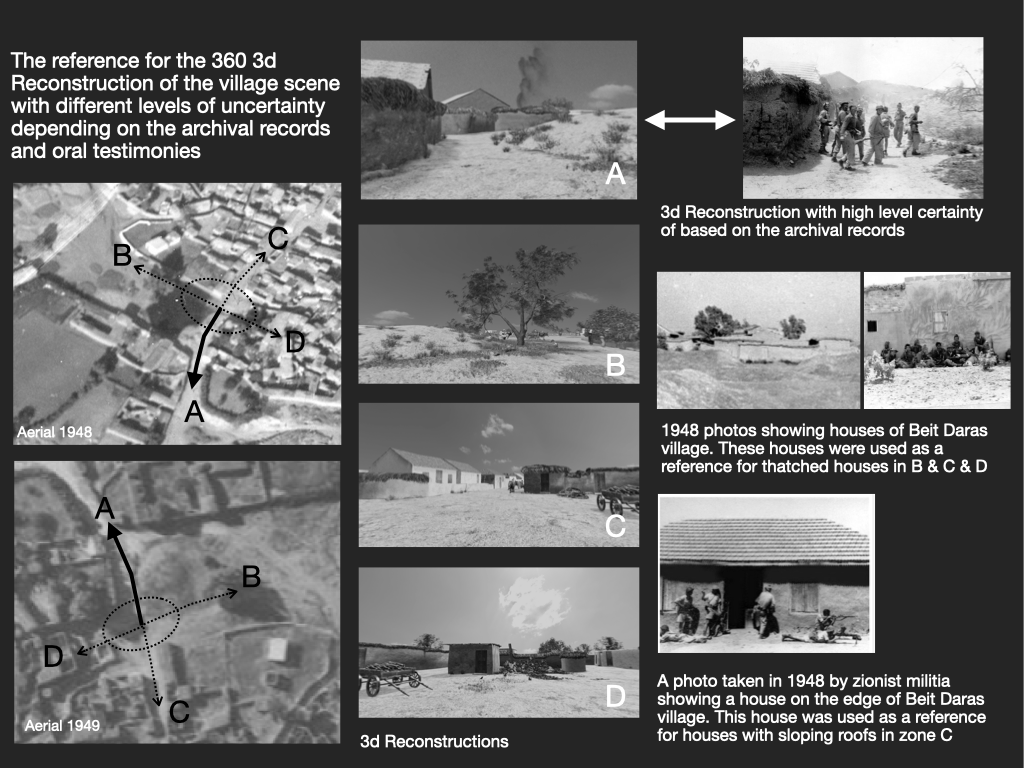
Village structures and environmental spaces were reconstructed through archival photographs, historical maps, regional architectural references, and oral spatial descriptions.
View Reconstructions
 Sound Reconstruction
Sound was used not only to recreate physical environments, but also to reconstruct emotional transitions across generations. Layered ambient sound combined wind, birds, distant shelling, sea ambience, and shifting spatial textures to reflect movement between ordinary life, displacement, memory, and uncertainty.
Read Method
The Taraweeda are songs that have carried joy, longing, and defiance across generations — and were even used as a coded language of resistance during the Palestinian struggle.
Traditional Zaghrouta celebrations were used during moments connected to collective joy, weddings, and public gathering. Within the VR experience, Zaghrouta appears as fragmented echoes of celebration of new birth.
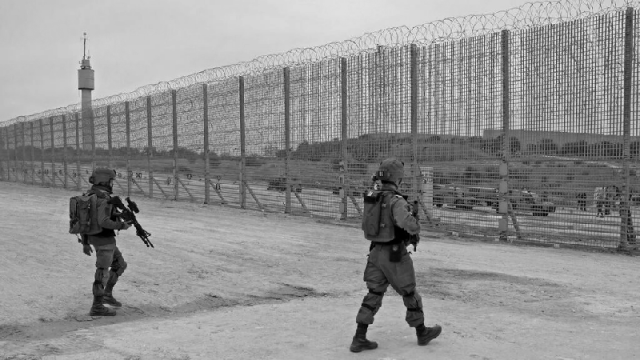
The sound of the drone “Zanana” was layered into the atmosphere as a persistent sonic presence over Gaza. Unlike sudden explosions, the drone operates through duration and anticipation, remaining constantly audible above daily life. Its inclusion reflects how occupation can become embedded within ordinary sound environments.
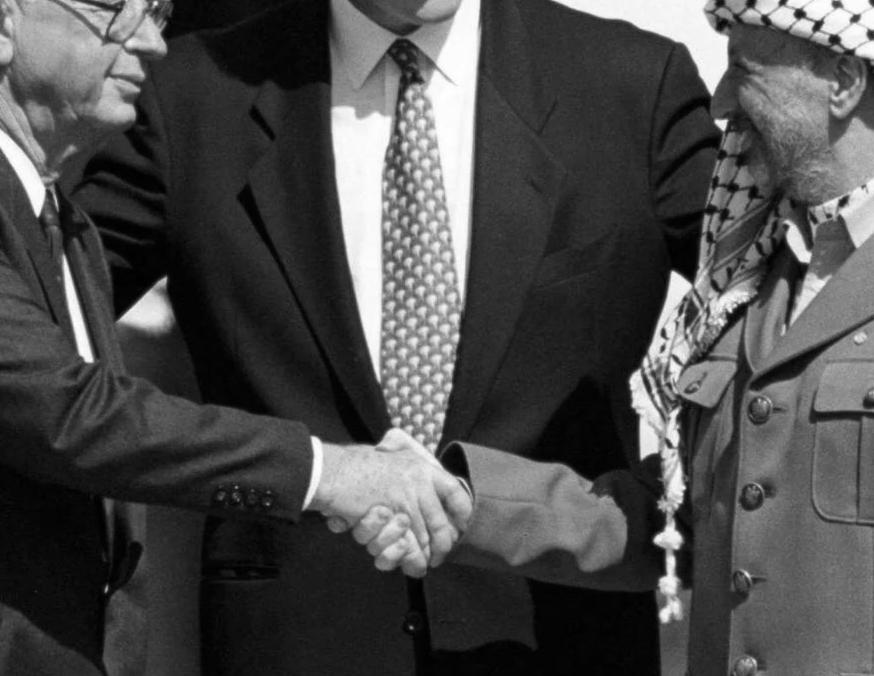
Fragments from Yasser Arafat’s speech during the Oslo Accord celebrations at the White House were incorporated into the soundscape as historical markers of political hope and expectation. The speech appears briefly within the VR environment, contrasting later sound layers shaped by surveillance, war,and displacement.
 Uncertainty and Absence
Certain spaces and sensory fragments within the VR experience remain incomplete, approximate, or partially unresolved due to fragmented archival traces and the unstable nature of memory itself.
Read Note
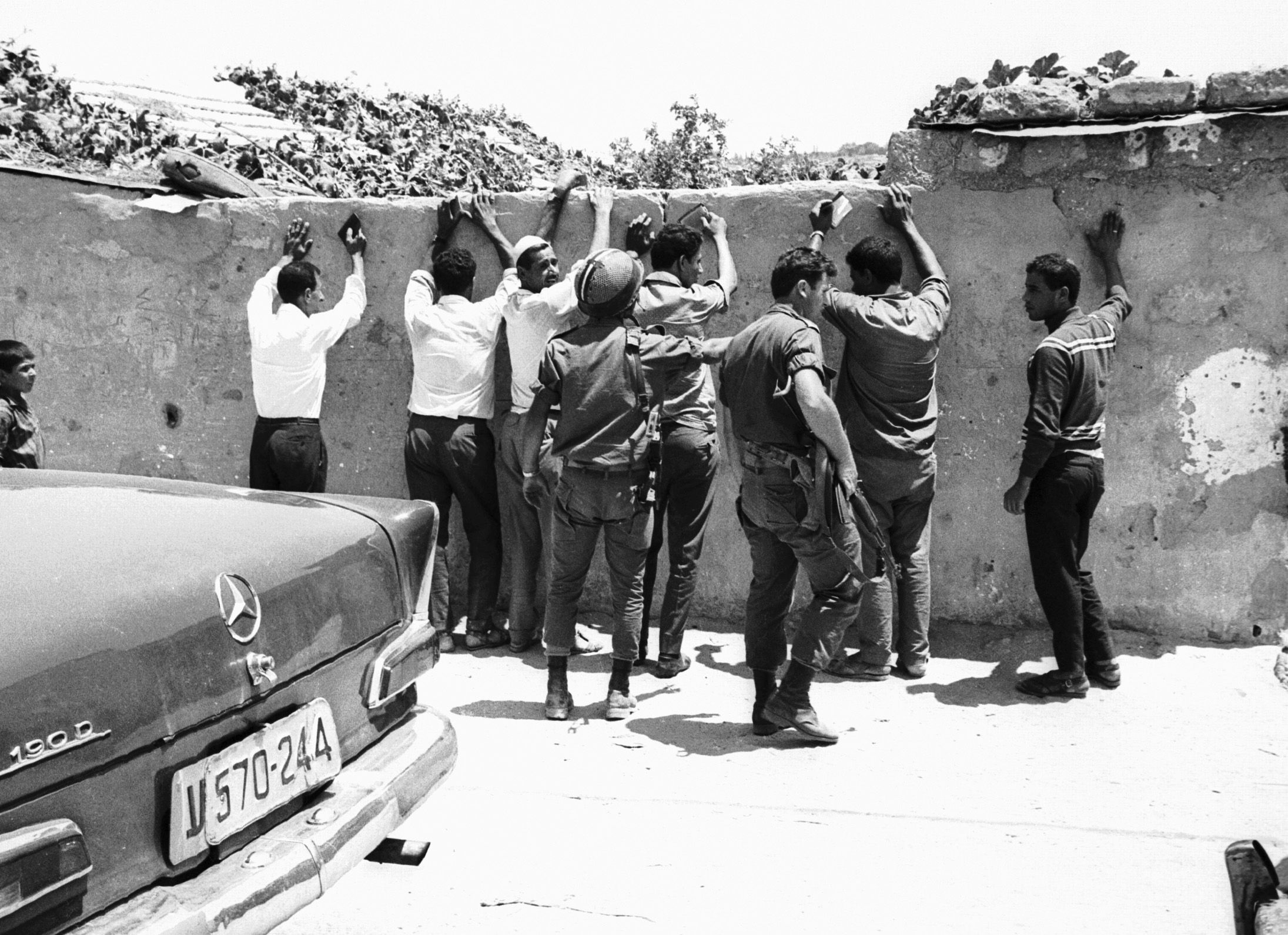
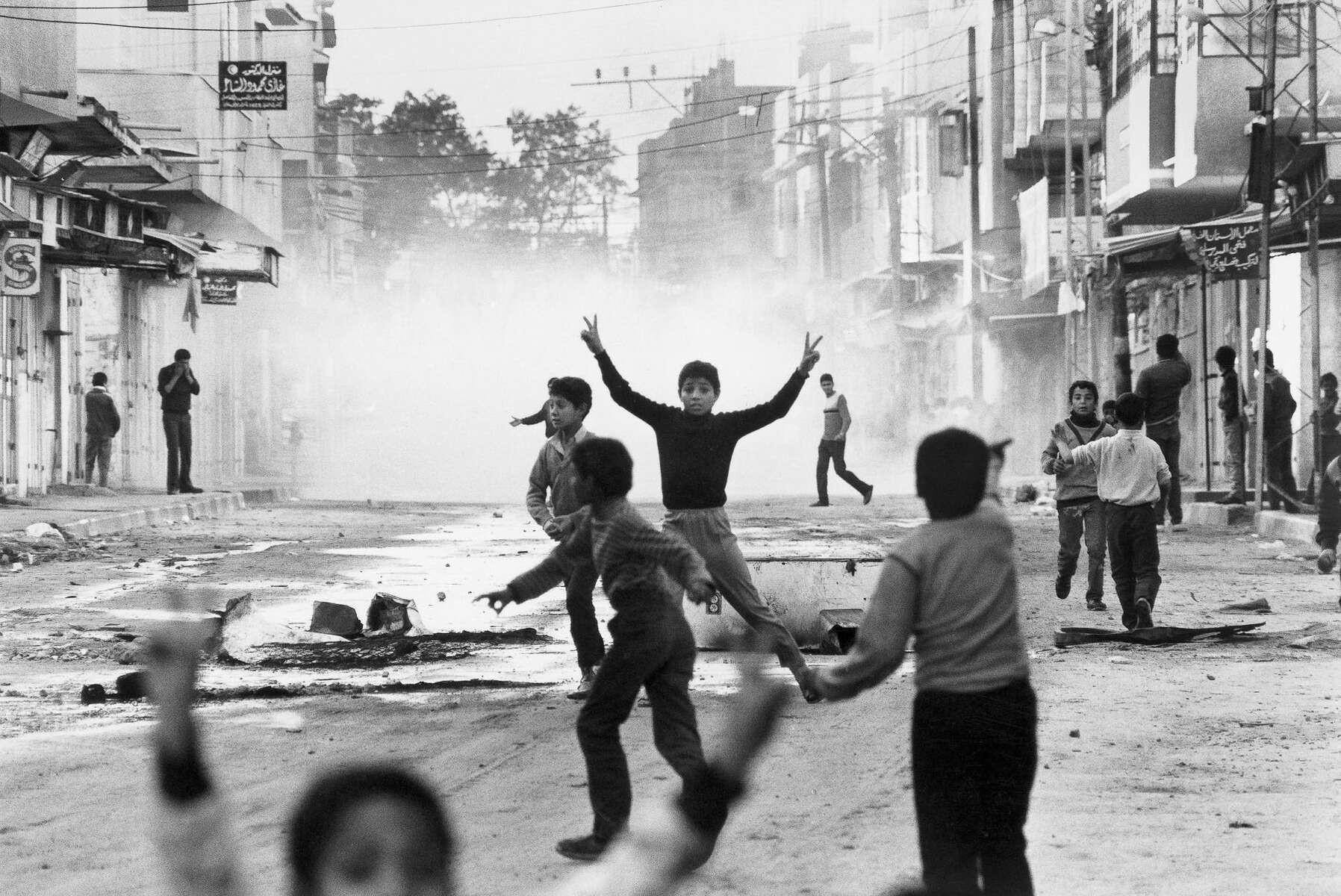
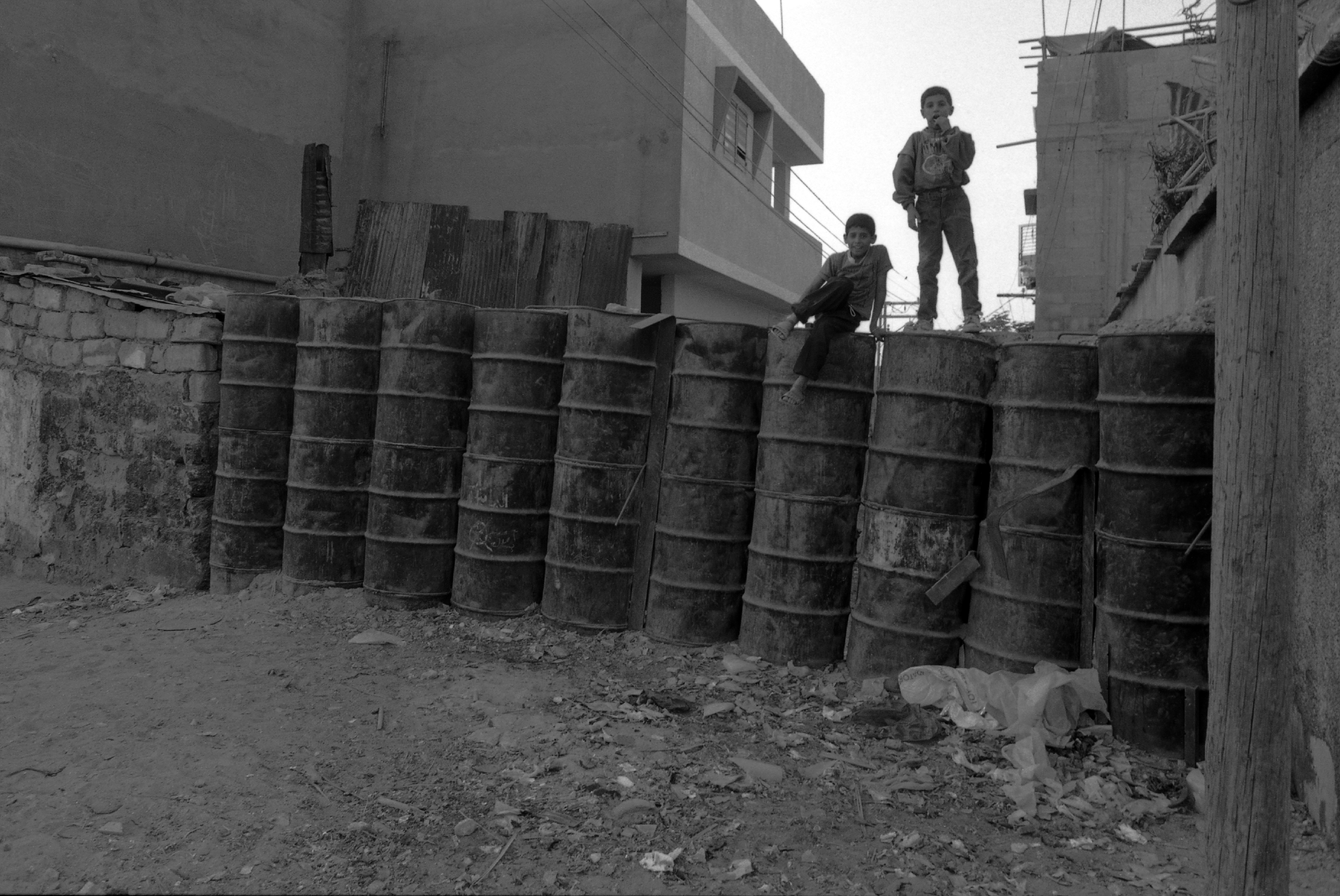
What followed was not a single moment of displacement, but decades of fragmented continuation.
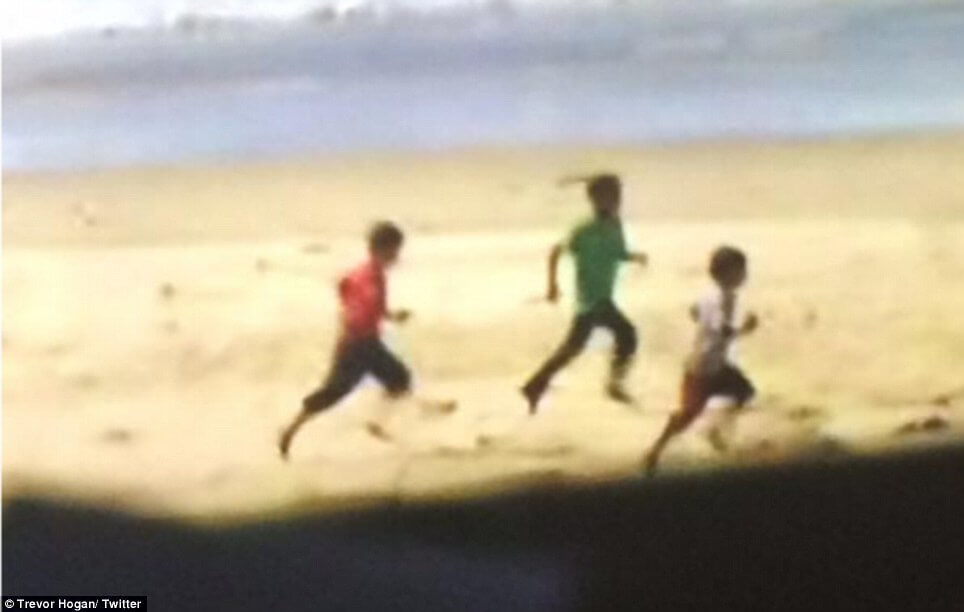
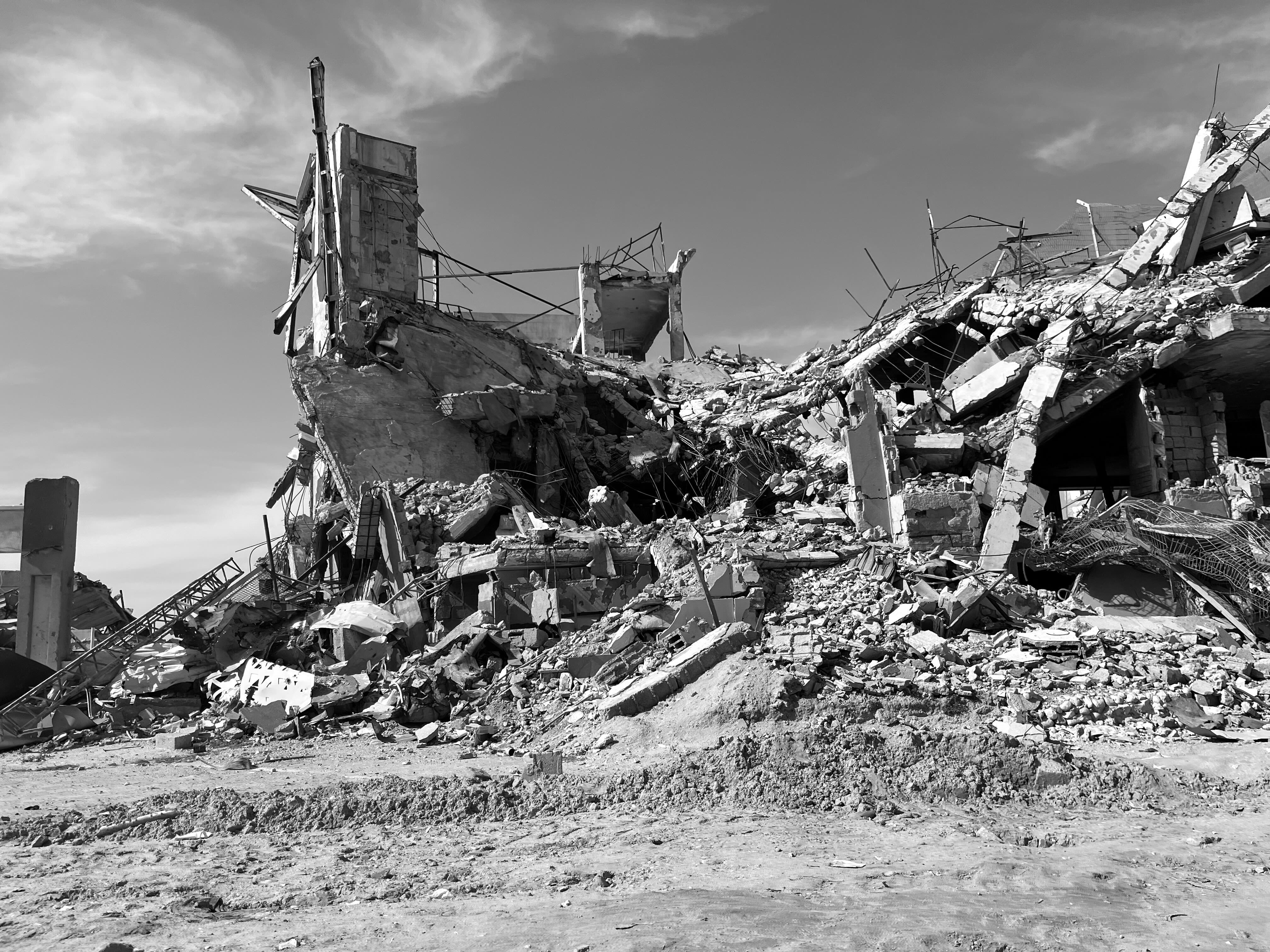
People and Places
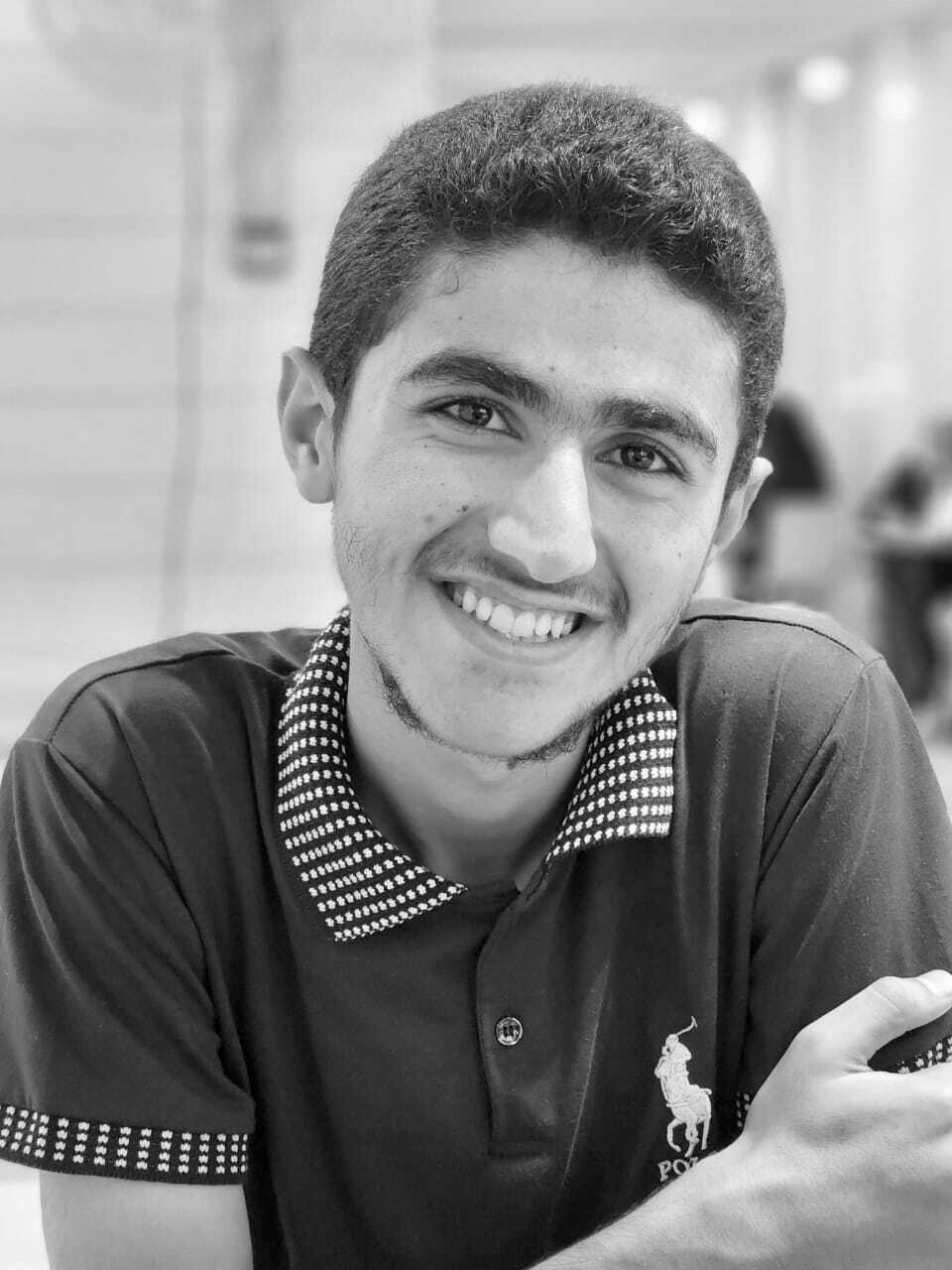
Abubaker Abed is a Palestinian Journalist, and a third-generation descendant of the demolished village of Beit Darras, Abubaker’s perspective is rooted in his grandfather’s expulsion during the 1948 Nakba. Though he set out to be a sports commentator, the onset of the current genocidal campaign in Gaza transformed him into an “accidental war correspondent.” Reporting from Deir Al-Balah, Abubaker turns a critical lens on the conflict, ensuring that the international community sees not just the destruction of the present, but the enduring spirit of a people who have survived seventy-eight years of displacement.
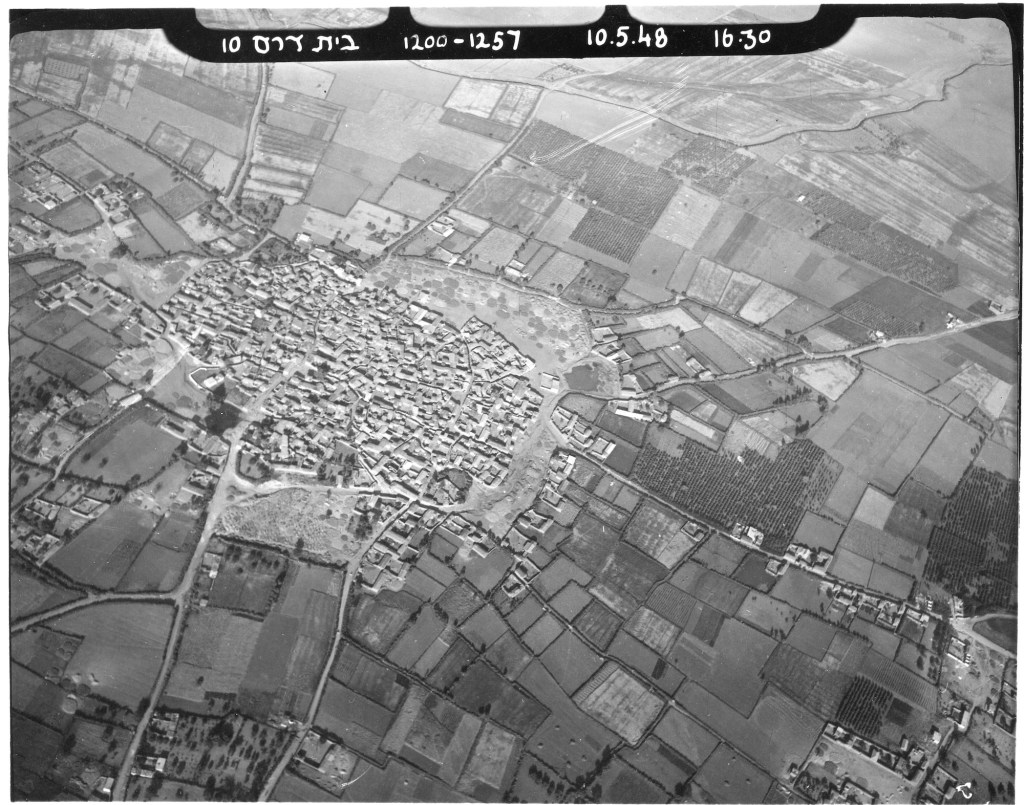
Beit Daras was once a thriving Palestinian village 46 kilometers northeast of Gaza, where 3,190 residents lived. Life was defined by the rhythm of the harvest and the call to prayer from its two central mosques and schools.
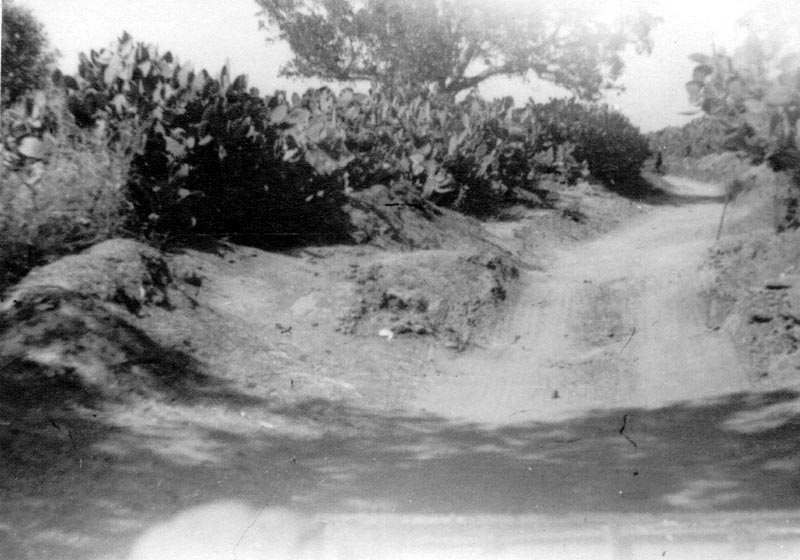
However, the peace shattered on March 27, 1948, when heavy shelling devastated the crops and claimed the first nine lives. By May 11, the village became a primary target of the Jewish militia to trigger an exodus. Despite a fierce defense by locals, the village fell. Fifty casualties were recorded in the attack, and as families fled toward Gaza, accounts describe a harrowing massacre of those trying to escape.
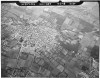
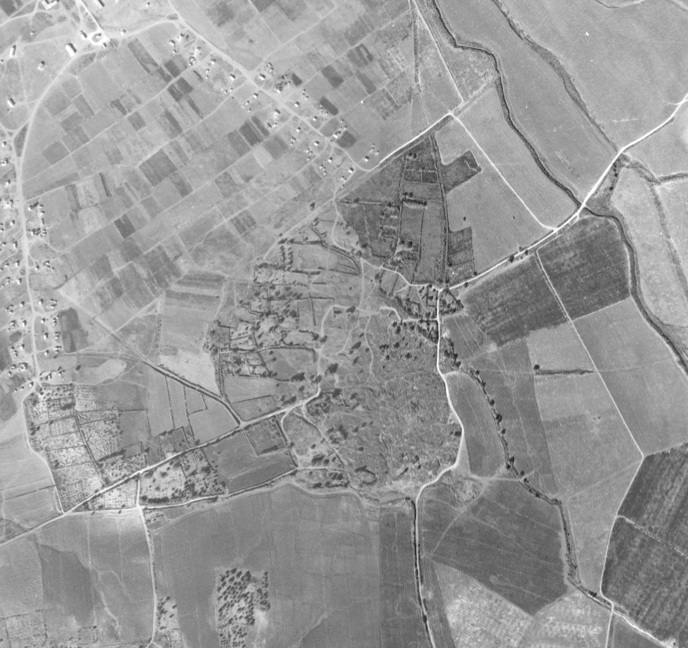
By 1950, the mosques and schools were demolished, replaced by the moshavim Givati, Azrikam, and Emunim. Today, only wild cactus and eucalyptus trees mark the site of a Beit Daras.The surrounding fields are cultivated by Israeli settlements.
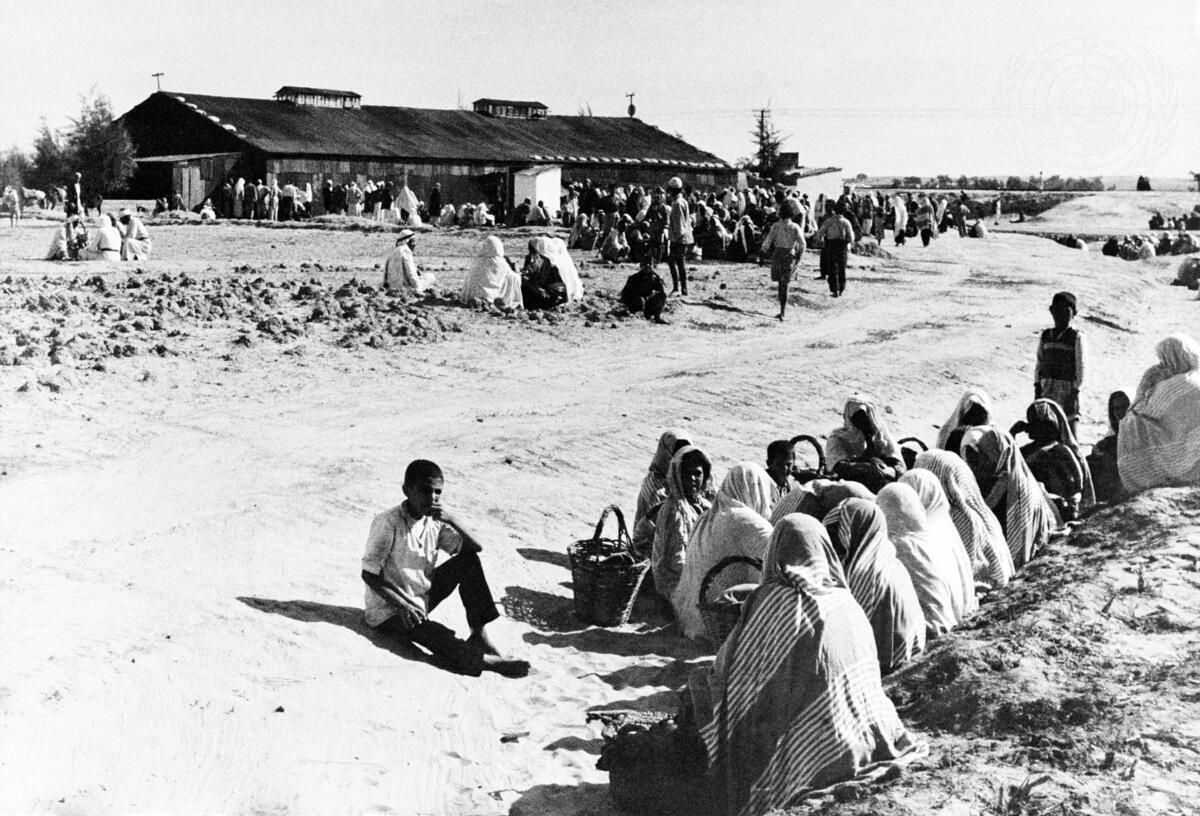
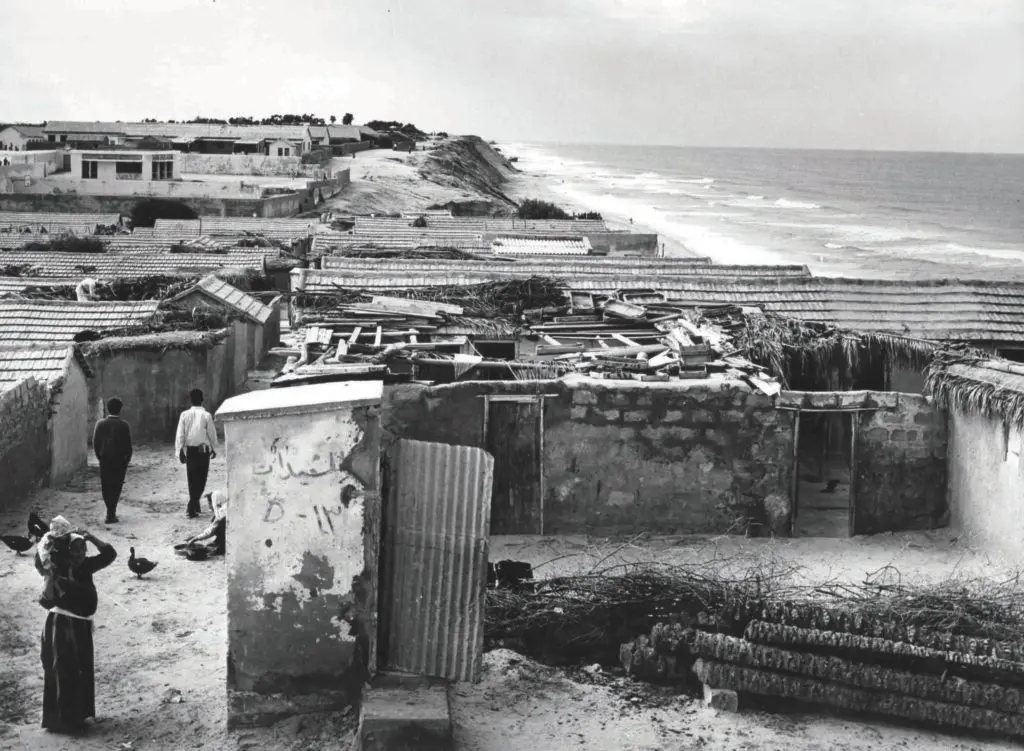
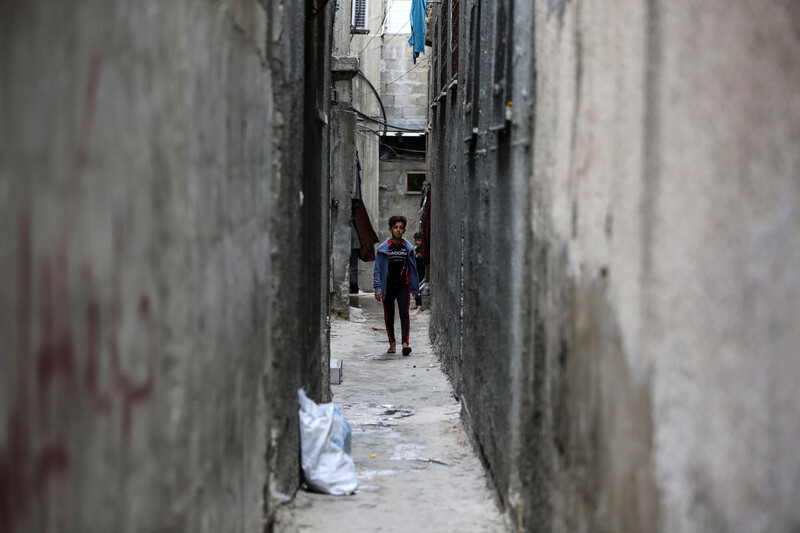
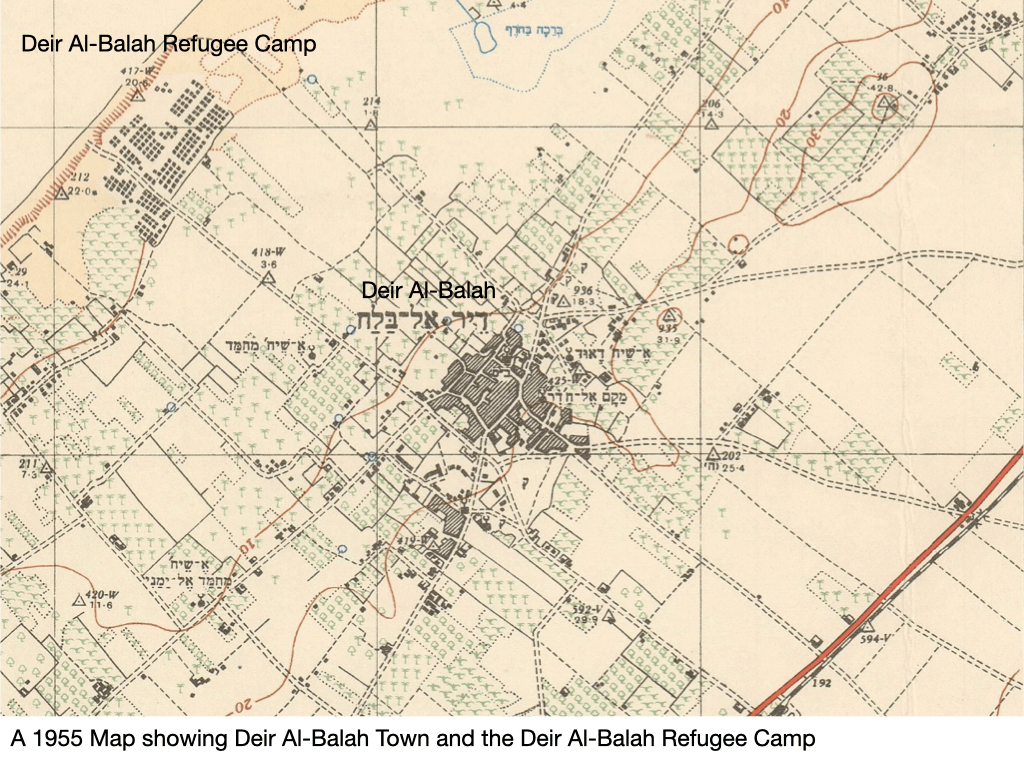
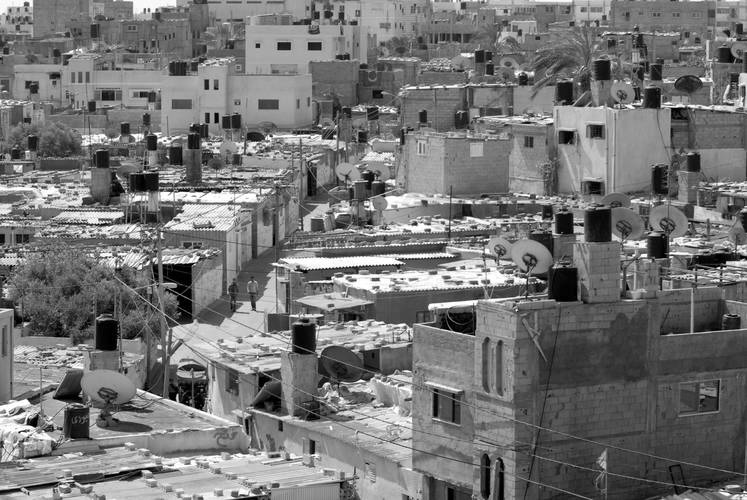
Deir El-Balah refugee camp is the smallest refugee camp in the Gaza Strip.
It lies along the Mediterranean coast in central Gaza, west of the town of Deir al-Balah. Deir al-Balah means ‘Monastery of the Dates’, a reference to the abundant date palm groves in the area.
Deir El-Balah camp initially provided shelter to Palestine Refugees who had fled from villages in central and southern Palestine, as a result of the 1948 War.
The refugees originally lived in tents, which were replaced by mud-brick shelters and, later on, by cement block structures.
Now 28,227 Palestine Refugees are registered with UNRWA in the camp.
Some places survive only through memory, testimony, and return.

